Building Resilient Futures 2026
Higher Education’s Broader Purpose
Date: March 4–5, 2026
Locations: University of Calgary & McGill University
Unlike traditional conferences, Building Resilient Futures was designed as an action-oriented working session, bringing together diverse perspectives to develop ideas, partnerships, and concrete pathways for institutional change.
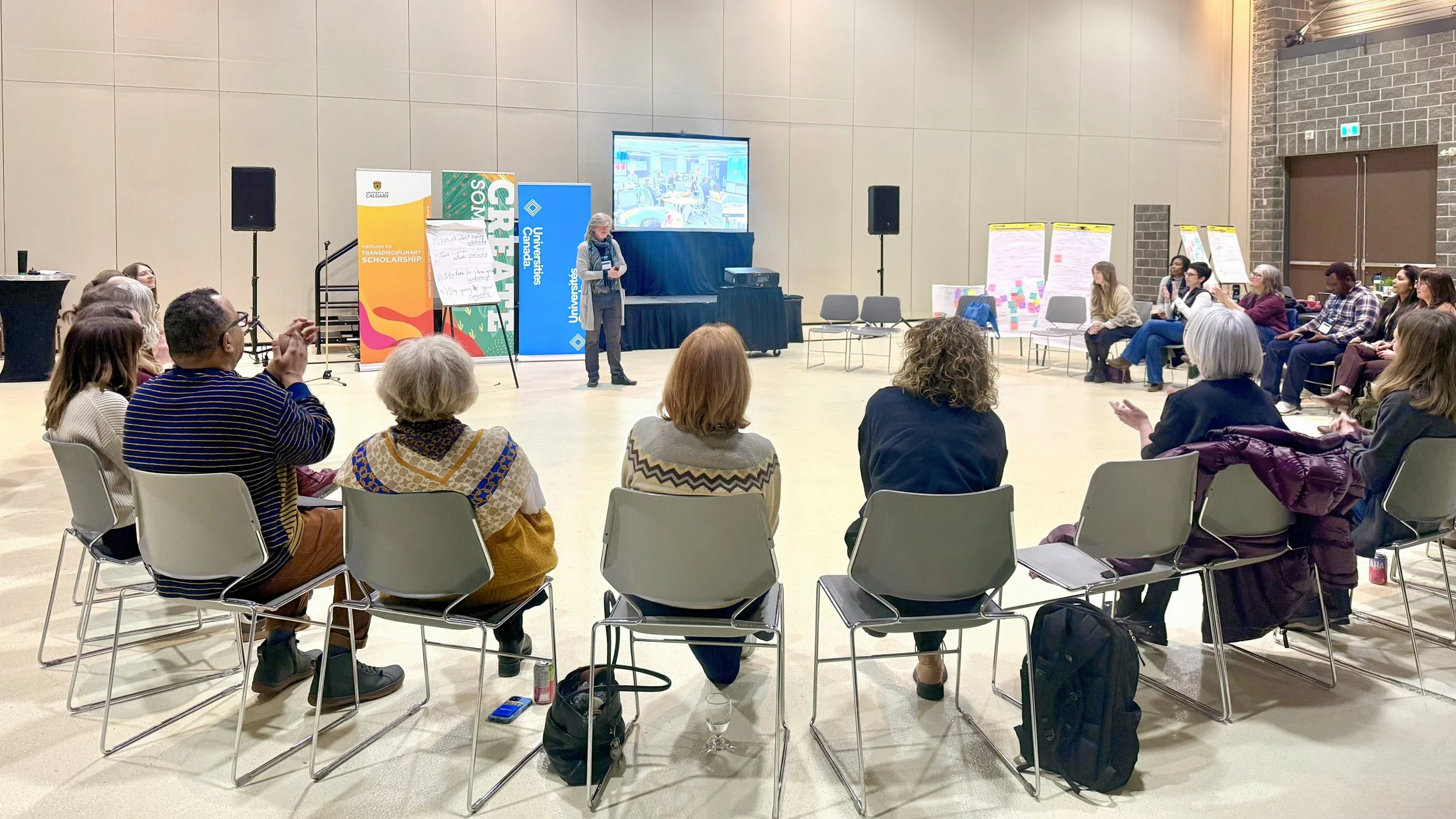
In March 2026, leaders, educators, practitioners, and community partners from across Canada gathered for Building Resilient Futures, a national working event focused on the role of higher education in addressing the climate and sustainability crisis.
Co-sponsored by Universities Canada and the Sustainability in Higher Education Across Canada Network (SHEAC) and associated with SDSN Canada, the event marked the culmination of Universities Canada’s three-year climate initiative. Participants came together to explore a shared question:
How can Canadian universities leverage their collective capacity to drive the change and innovation needed for climate-resilient and regenerative futures?
The Event Approach
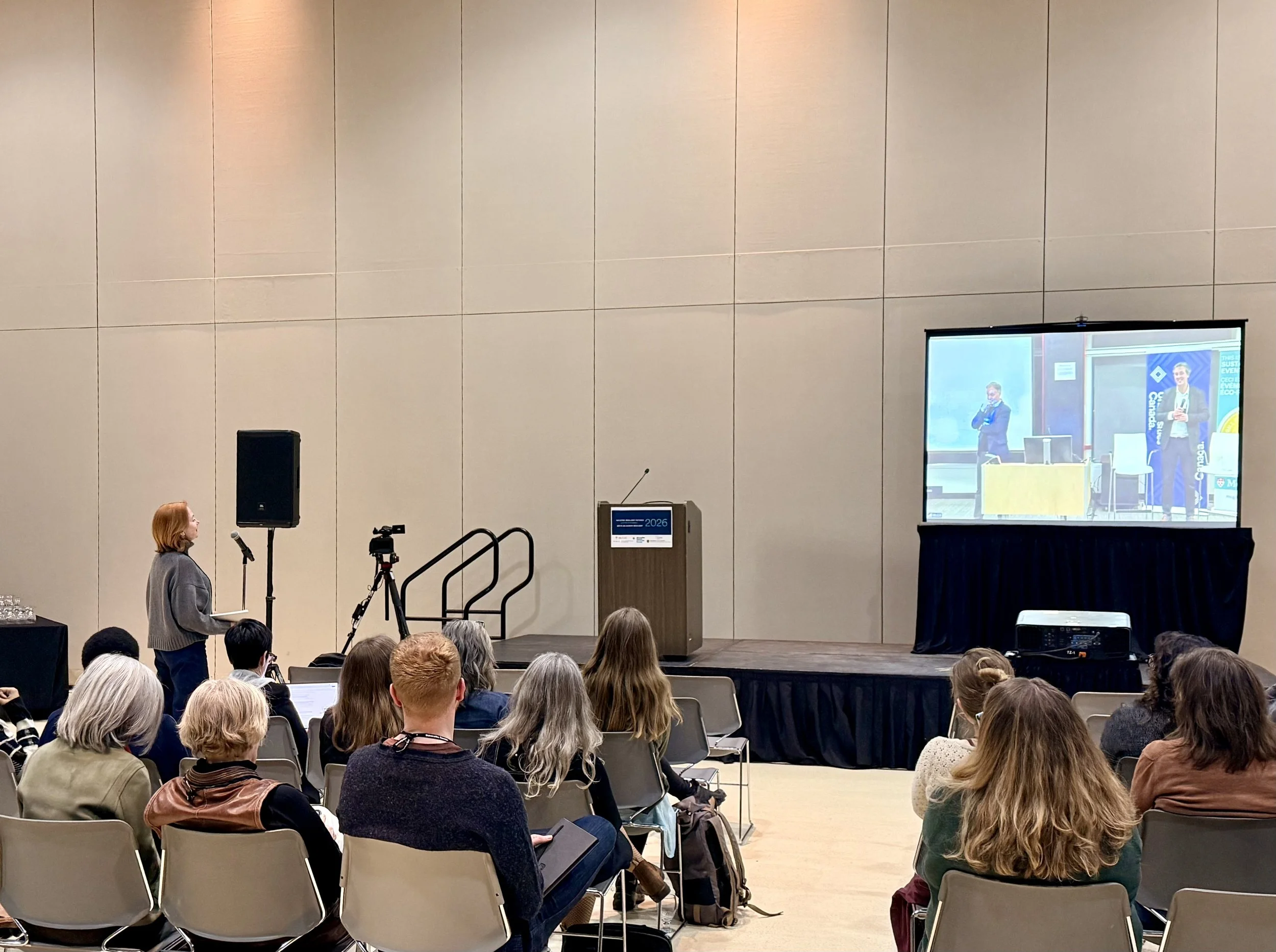
To broaden participation while reducing environmental impact, the event was hosted simultaneously at two Canadian universities:
University of Calgary (Western Canada hub)
McGill University (Eastern Canada hub)
Participants worked collaboratively across locations, contributing to shared discussions and strategy development throughout the two-day gathering.
The event convened participants from over 20 post-secondary institutions, alongside representatives from community organizations and sustainability networks.
Key Themes
Participants worked in three thematic groups exploring how universities can accelerate sustainability transformation:
Outcomes and Next Steps
Building Resilient Futures was designed to generate practical outcomes and ongoing collaboration. Expected outputs include:
A national report outlining a vision and recommendations for climate resilience and regenerative futures in Canadian higher education
A roadmap for collaborative projects and future funding initiatives
The development of a national community of practice to continue advancing climate action across institutions
Stay tuned for more information and updates through Universities Canada and partner networks as this work continues.
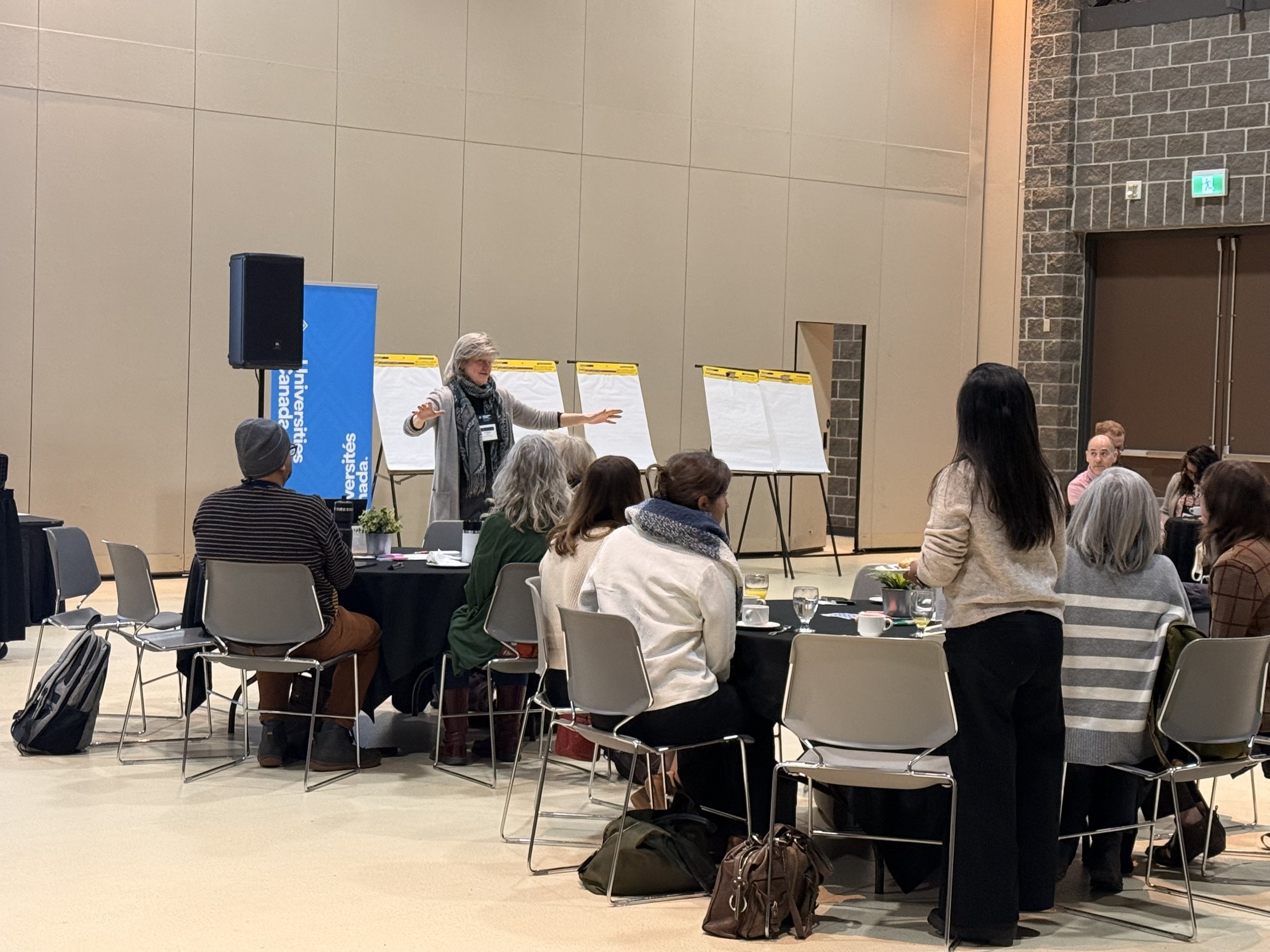
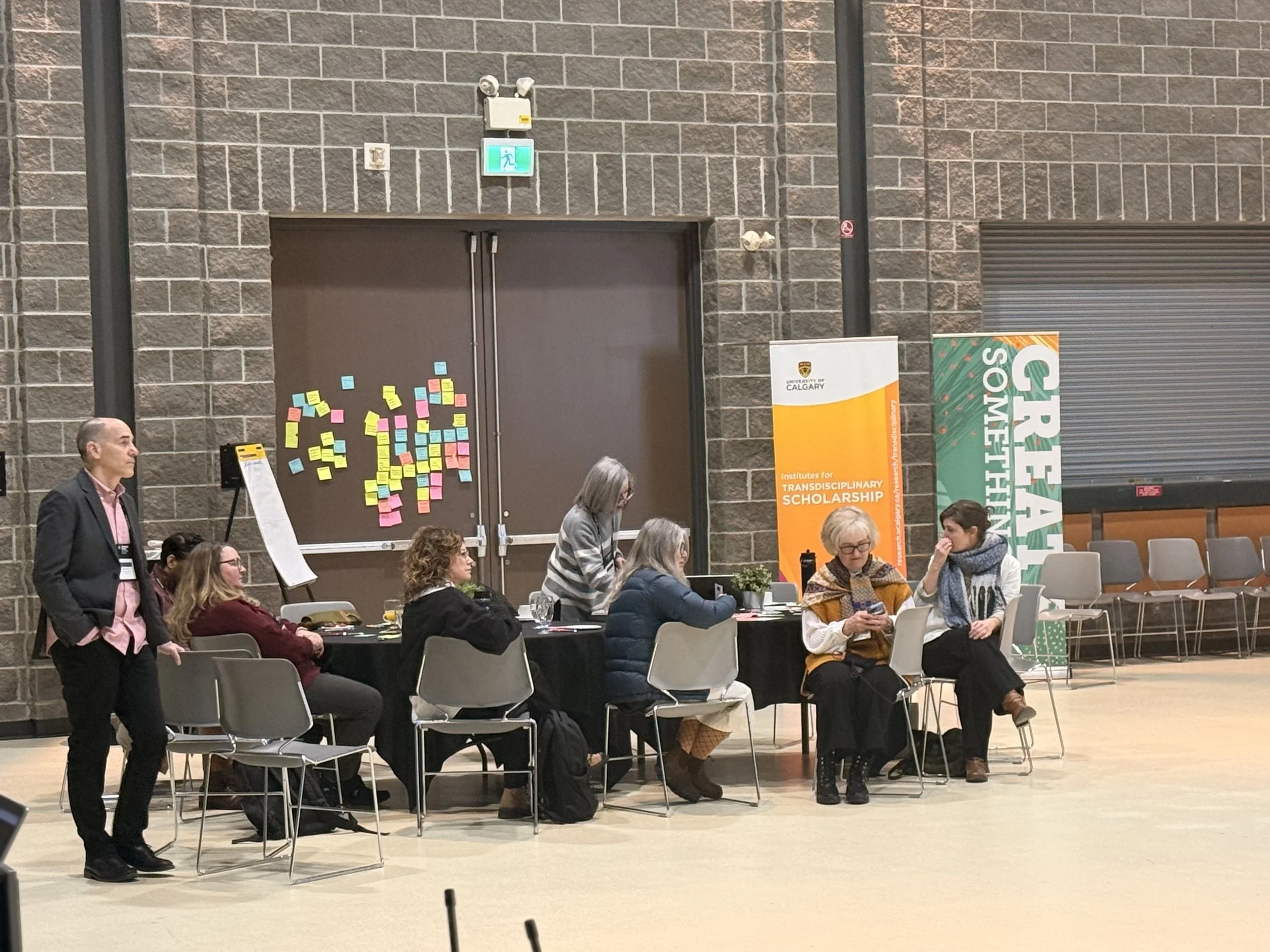
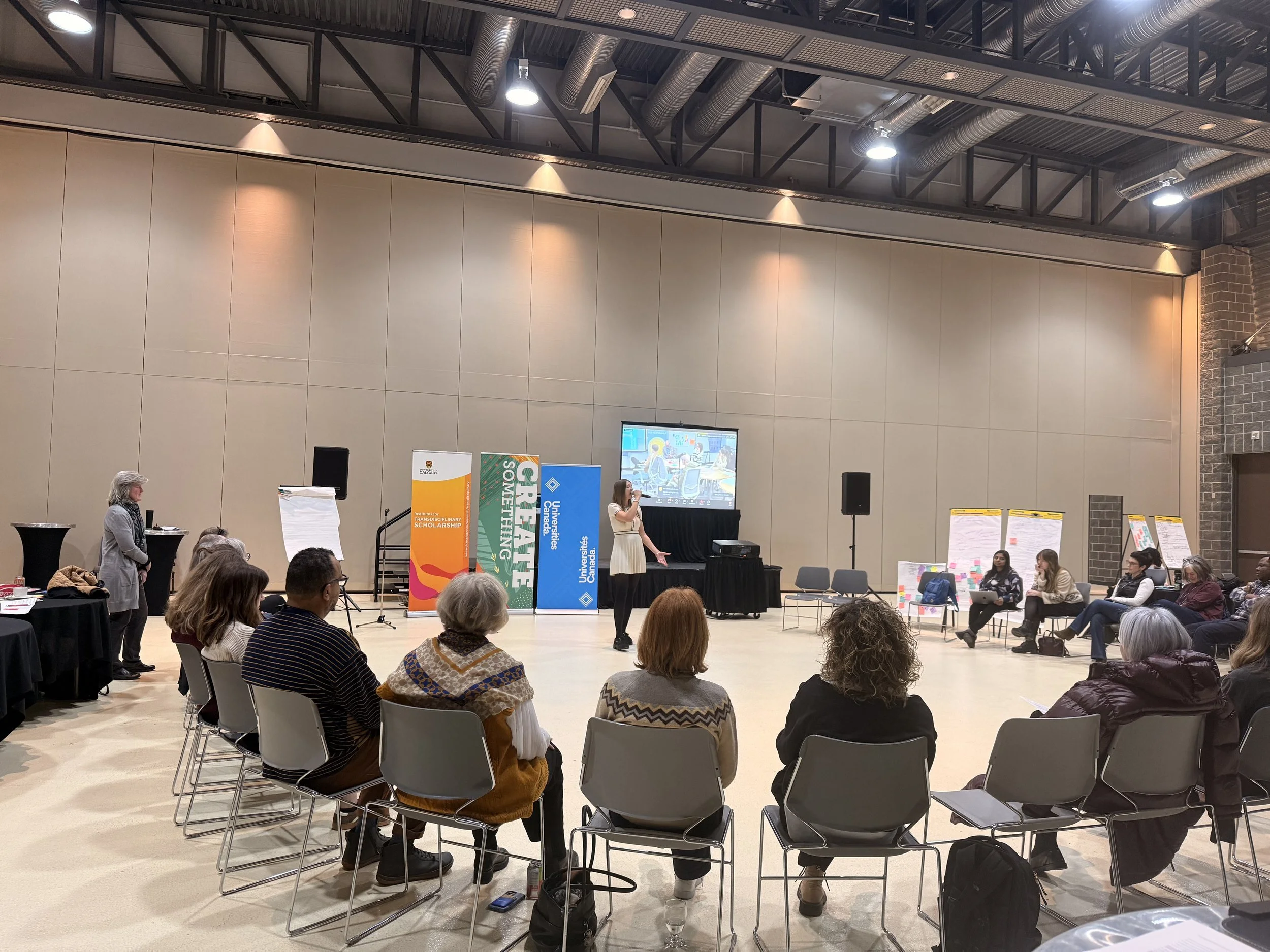
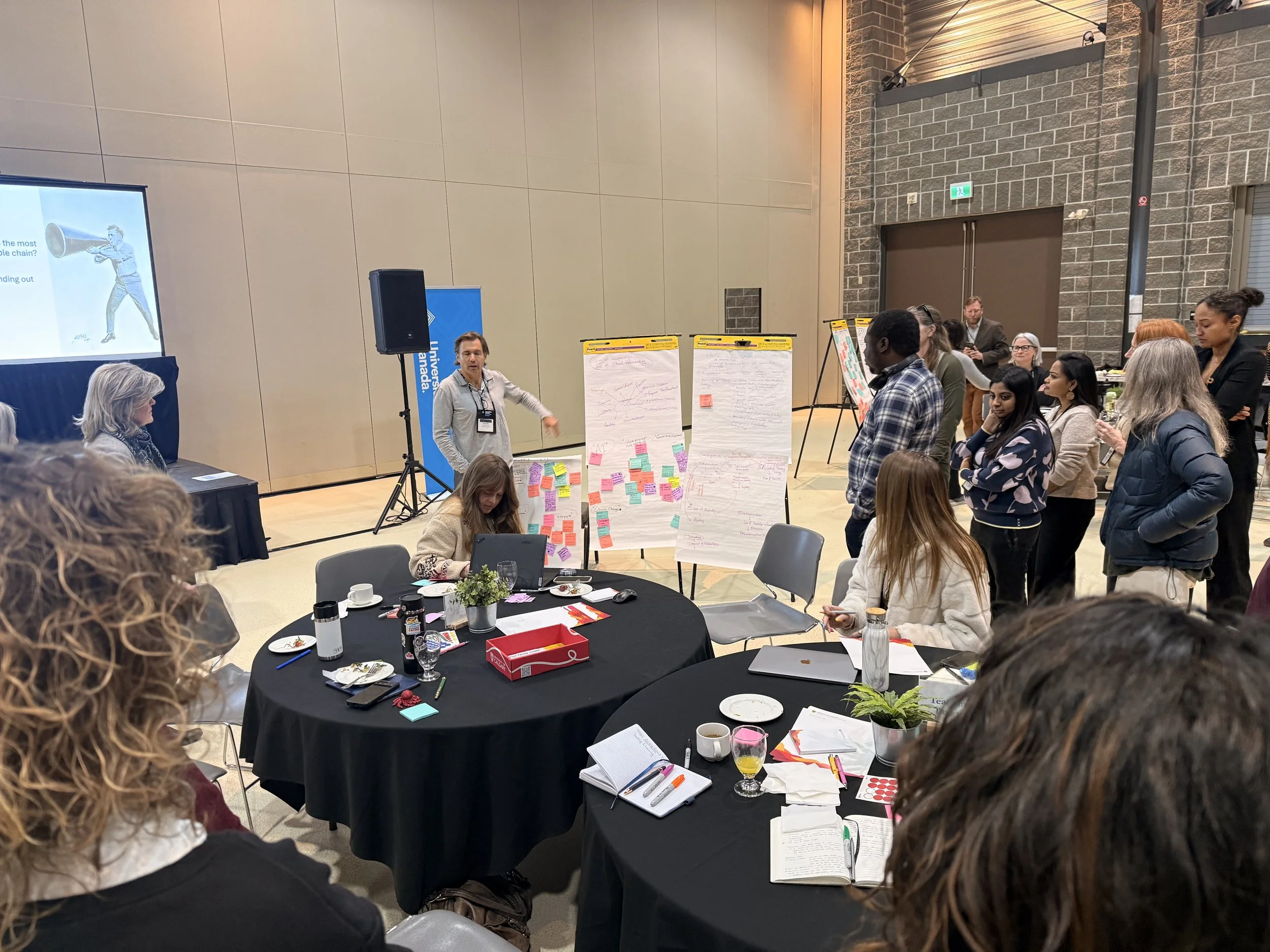
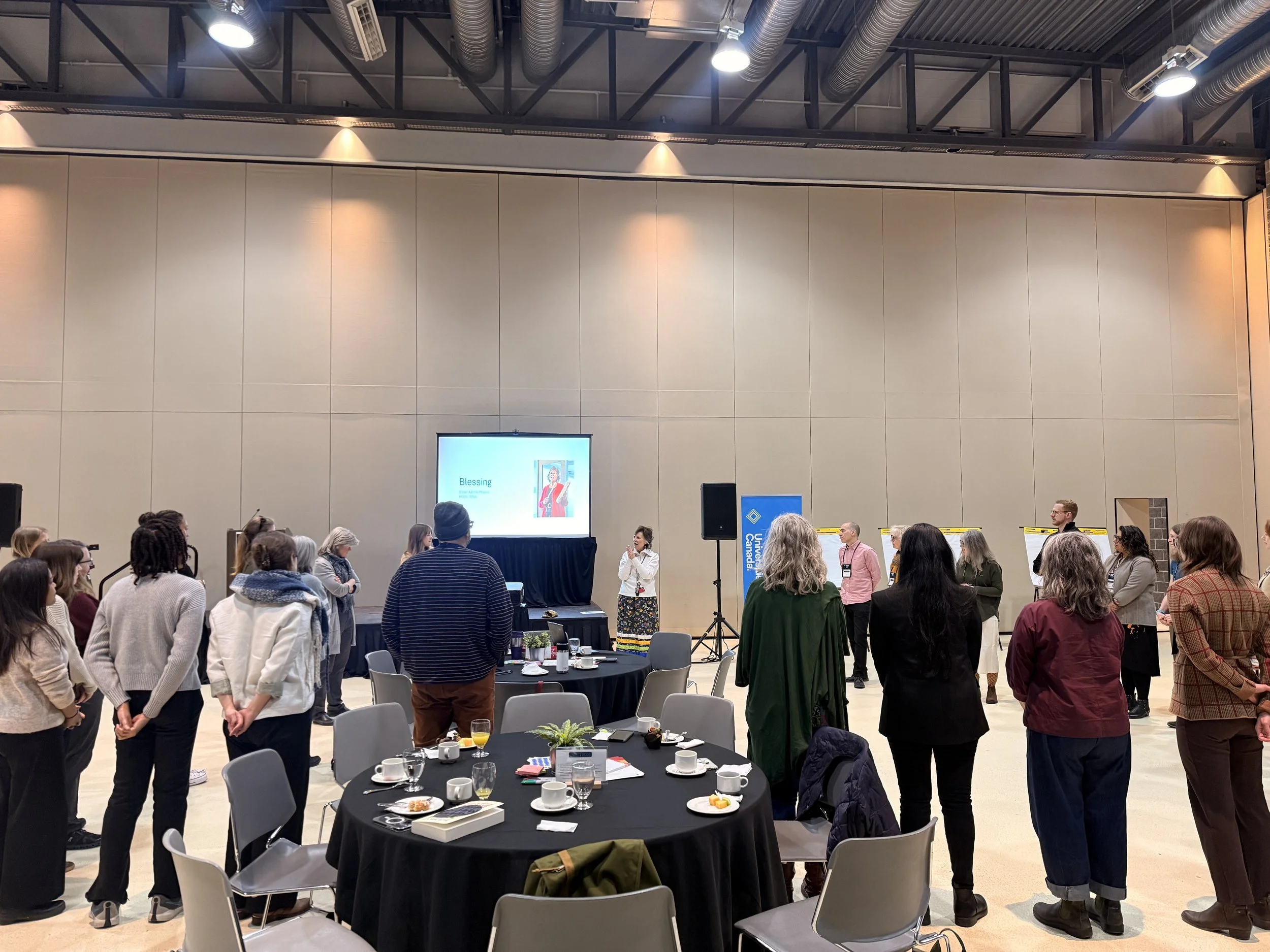
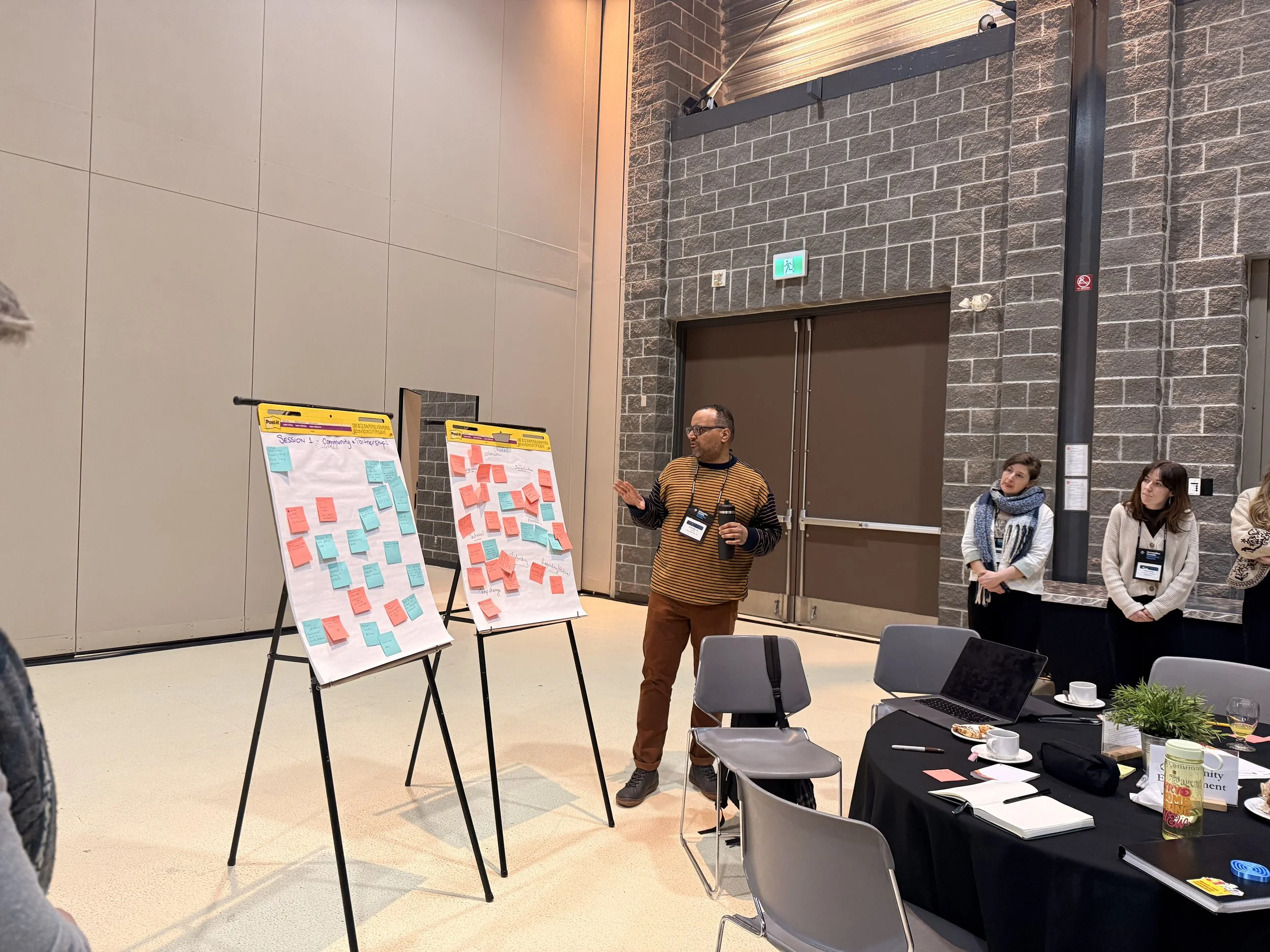
Photo credits: P. Mousavi Samimi